Now

Right now I am working on the builder-first layer of world creation: tools and systems for people who keep returning to characters, worlds, lore, campaigns, and shared universes.

Over time, I think this wants to become something closer to GitHub meets Disneyland than a single tool. What keeps me interested is the longer arc: how creators sustain a project, keep context alive, and turn imagination into something social.

In retrospect, this is less a pivot than a convergence. It brings together things I have been circling for years through research, creator products, data storytelling, and internet projects.

About

I started building things on the internet early, mostly because I was curious and impatient. Many of the first projects were small, awkward, and useful in a very direct way.

Since then I have moved through research, infrastructure, creator products, and enterprise systems: computer science at Columbia, machine intelligence at Peking University, creator and publishing products at Facebook, data visualization at Alibaba, and product/infrastructure work at Tezign.

The thread was never really a title. It was a fascination with systems that help people express something larger than a single screen: stories, workflows, identities, communities, and the strange social life around tools.
Selected work

Now

Two layers of engineering: one inside the company, one public through Imagineer.

Company layer

Internal engineering

Inside the company, I work on the engineering layer that turns product direction, narrative ideas, and team workflows into systems people can actually use.

This is the quieter layer: infrastructure, workflow design, and the connective tissue that lets ideas become repeatable product reality.

Public layer

Imagineer

Publicly, I want Imagineer to be the more visible layer: engineering as imagination, worldbuilding, interface, and a way of making technical work feel culturally alive.

It is the outward-facing version of the same instinct: engineering not only as implementation, but as imagination with structure.

Product & Platform

Years spent around content technology: creator publishing, content systems, asset infrastructure, and data storytelling at scale.

Product infra and enterprise workflows

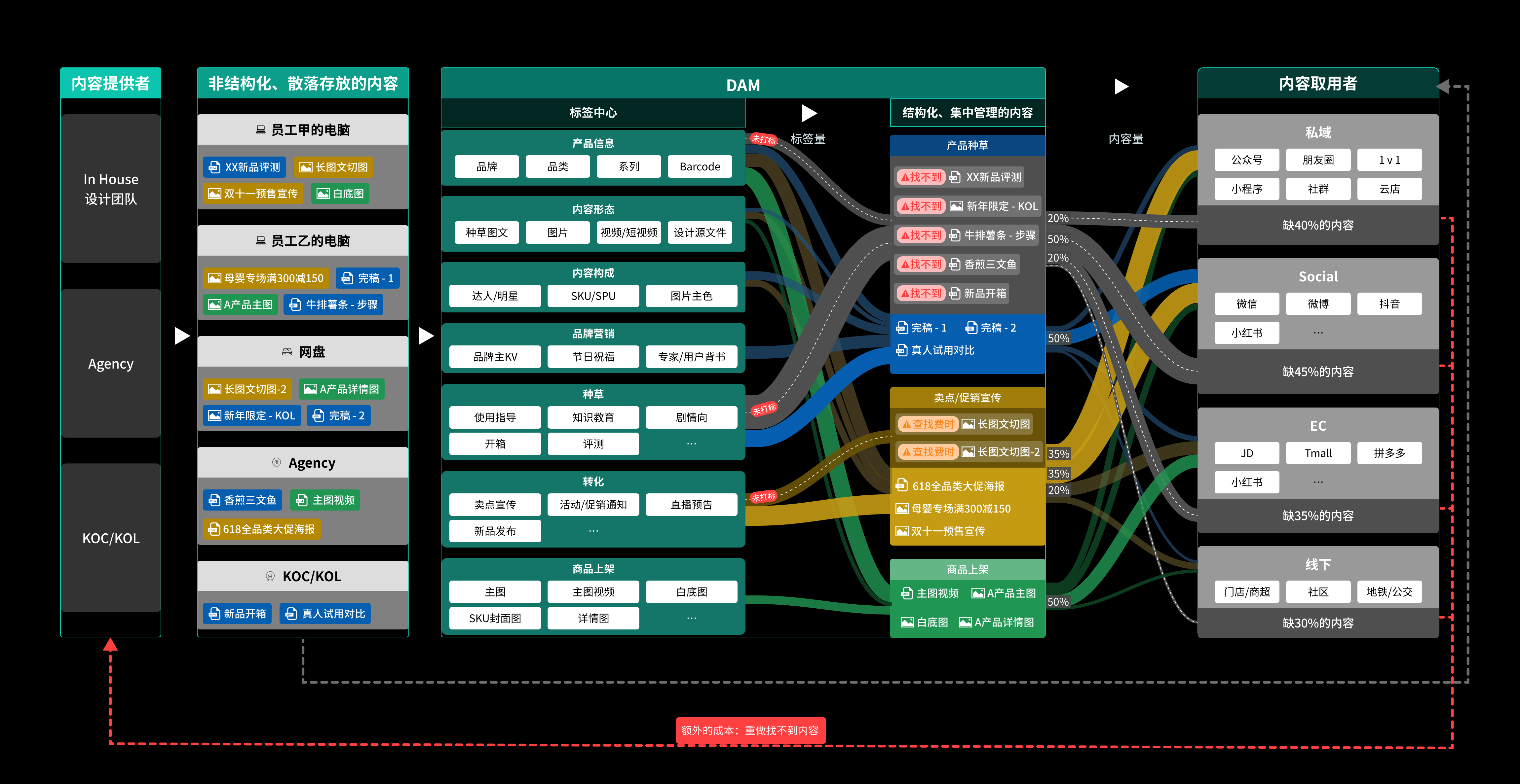
Tezign Digital Asset Management

Worked on digital asset management and content operations infrastructure, plus product initiatives around marketing content management and analysis for global brands.

It sharpened my interest in content technology as infrastructure: how creative assets are organized, governed, analyzed, and made reusable across teams.

Facebook / Meta

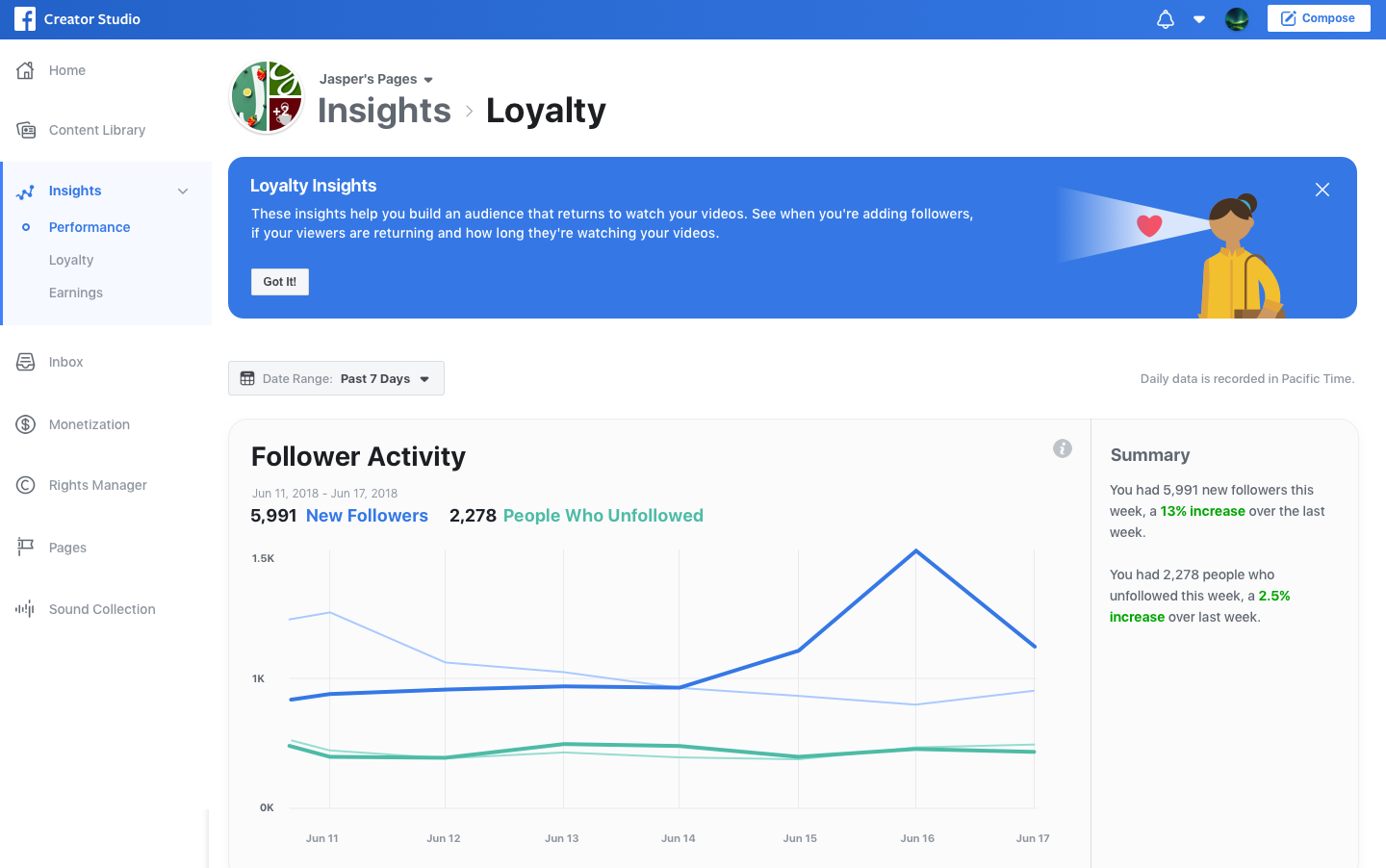
Creator Studio and Watch

Worked on creator-facing tools and publishing experiences at Facebook, especially around video publishing, Creator Studio, and the systems behind creator content workflows.

This was content technology in a very direct form: publishing tools shape what creators can make, how they work, and how creator ecosystems grow.

Alibaba

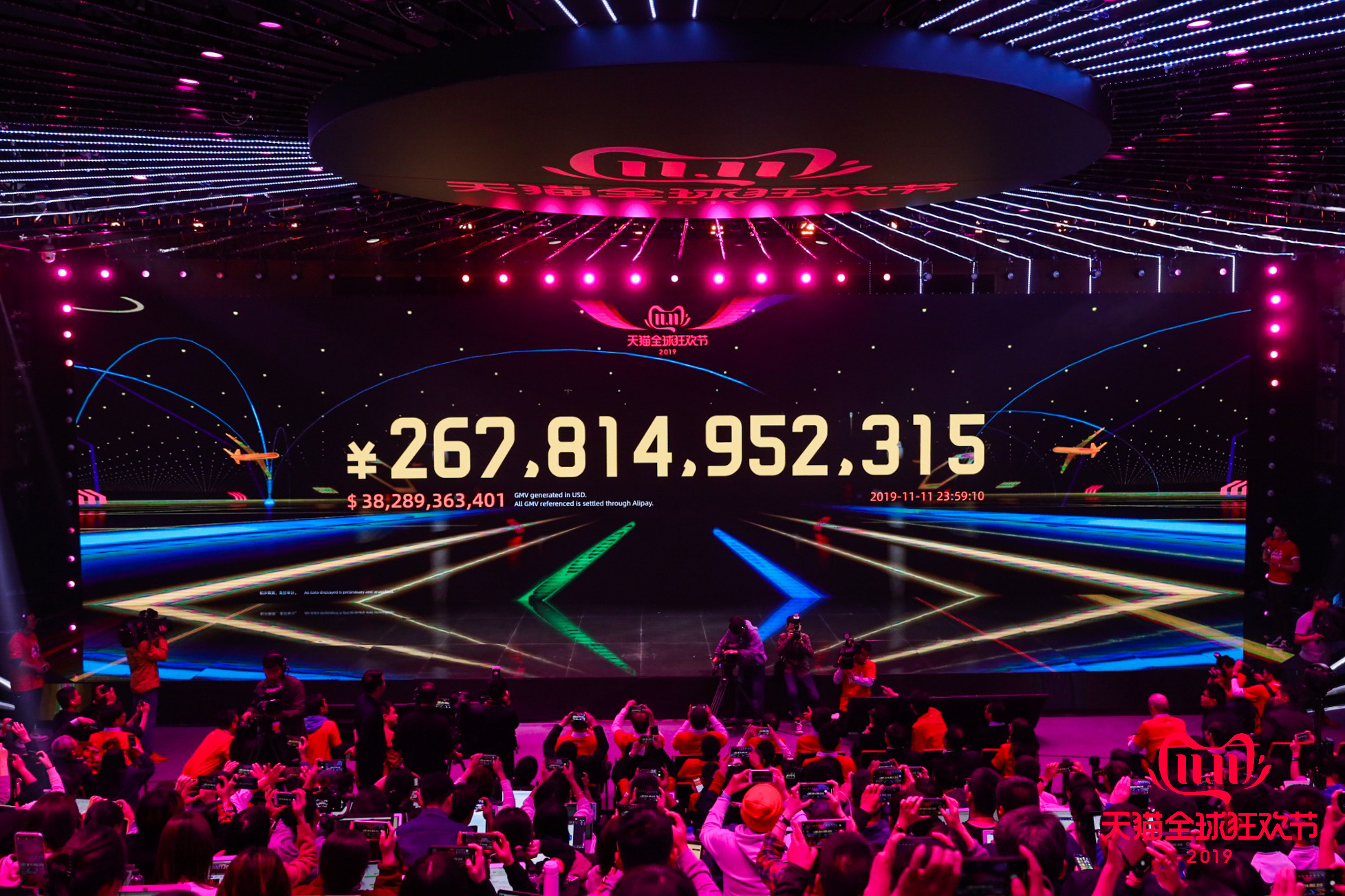
Double 11 data storytelling

Worked on large-scale data visualization infrastructure for major public-facing storytelling moments, turning operational data into content experiences.

It reinforced a belief I still carry: content technology is not only about storage or delivery, but about turning systems and data into narrative form.

Research & Systems

Projects from the years when I was still close to labs, sensors, and the pleasure of making difficult systems behave.

ICRA 2016

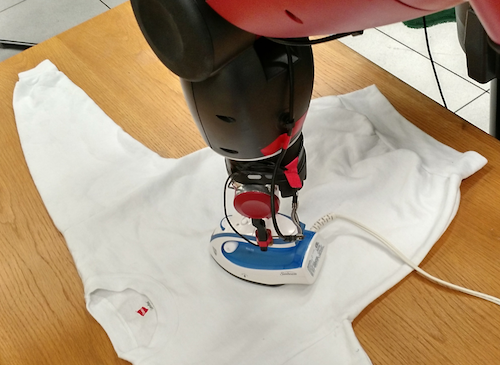
Robotic ironing research

A robotics project using fused sensing methods to reason about cloth surfaces and support robotic ironing plans.

I still like work that turns messy reality into something a system can reason about without flattening it too much.

JavaScript library

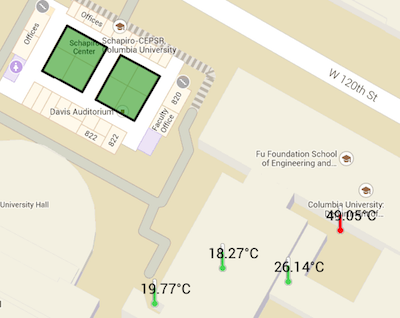
Sensor Overlay for Google Maps

Built a reusable interface for rendering and clustering real-time sensor information on maps without losing readability.

An early sign that I enjoy interfaces for dense, living systems more than static pages.

Assistive computing

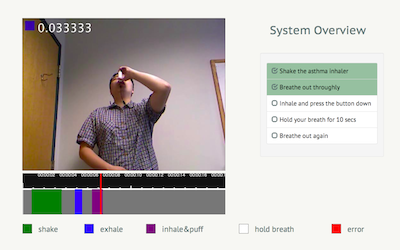
Asthma inhaler assistive system

Built a system to guide inhaler usage and detect mistakes in task execution.

It pushed me toward a question that still matters to me: when can software quietly help a person do a complicated thing better?

Autonomous systems

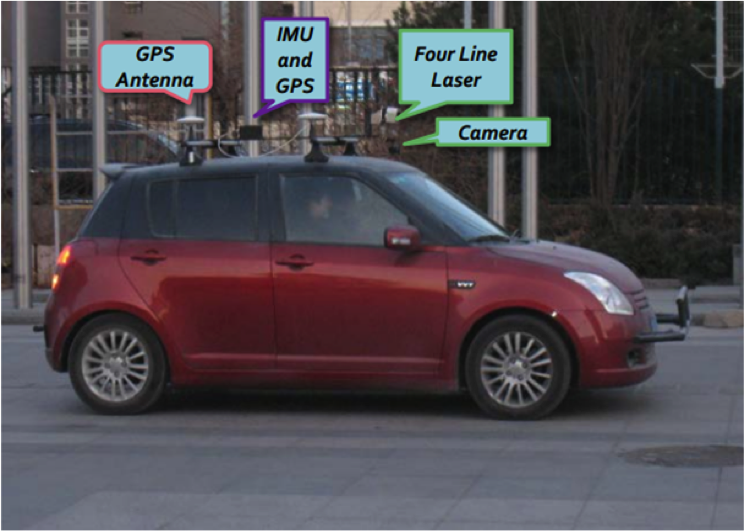
Unmanned vehicle work

Early work on control and route-planning ideas for unmanned vehicles.

Even then, I was drawn to systems that need to perceive, decide, and adapt rather than merely display.

Early Internet

Before titles, there was the internet, some code, and a habit of making things because they ought to exist.

Node.js / campus backend

Weiming World game server

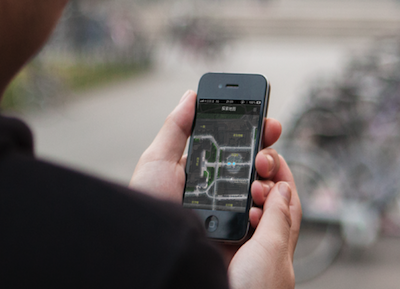
Built the backend for a campus game introducing new students to Peking University through a location-based experience.

I was already interested in how digital systems create a sense of place and participation.

Portable web services

Net Treasure Box

A mini suite of utilities turning a Raspberry Pi into a portable campus web server with practical superpowers.

I still love projects that feel improvised, local, and empowering in a very direct way.

Campus social platform

PKU Student Activity Platform

Contributed heavily to an open student activity platform that explored a social layer around campus organizations.

It taught me how quickly software can become social infrastructure if the timing is right.

Small tool, real adoption

Dormitory application website

Made a website to help students find roommates and submit applications, which later became an official school system.

Sometimes the right small tool is the beginning of an institution.

Programming language experiment

ADELE

A language experiment built for composing interactive ASCII art through reusable layers.

I have always had affection for tools that are slightly impractical but expand how people think.